25+ Years Professional Cosmetic Packaging Manufacturer
How to Choose Custom Lip Gloss Tubes: Materials, Applicators, MOQ and Leak Testing
Learn how to choose custom lip gloss tubes by material, capacity, applicator, wiper, decoration, MOQ and leak testing with Belzeypack.
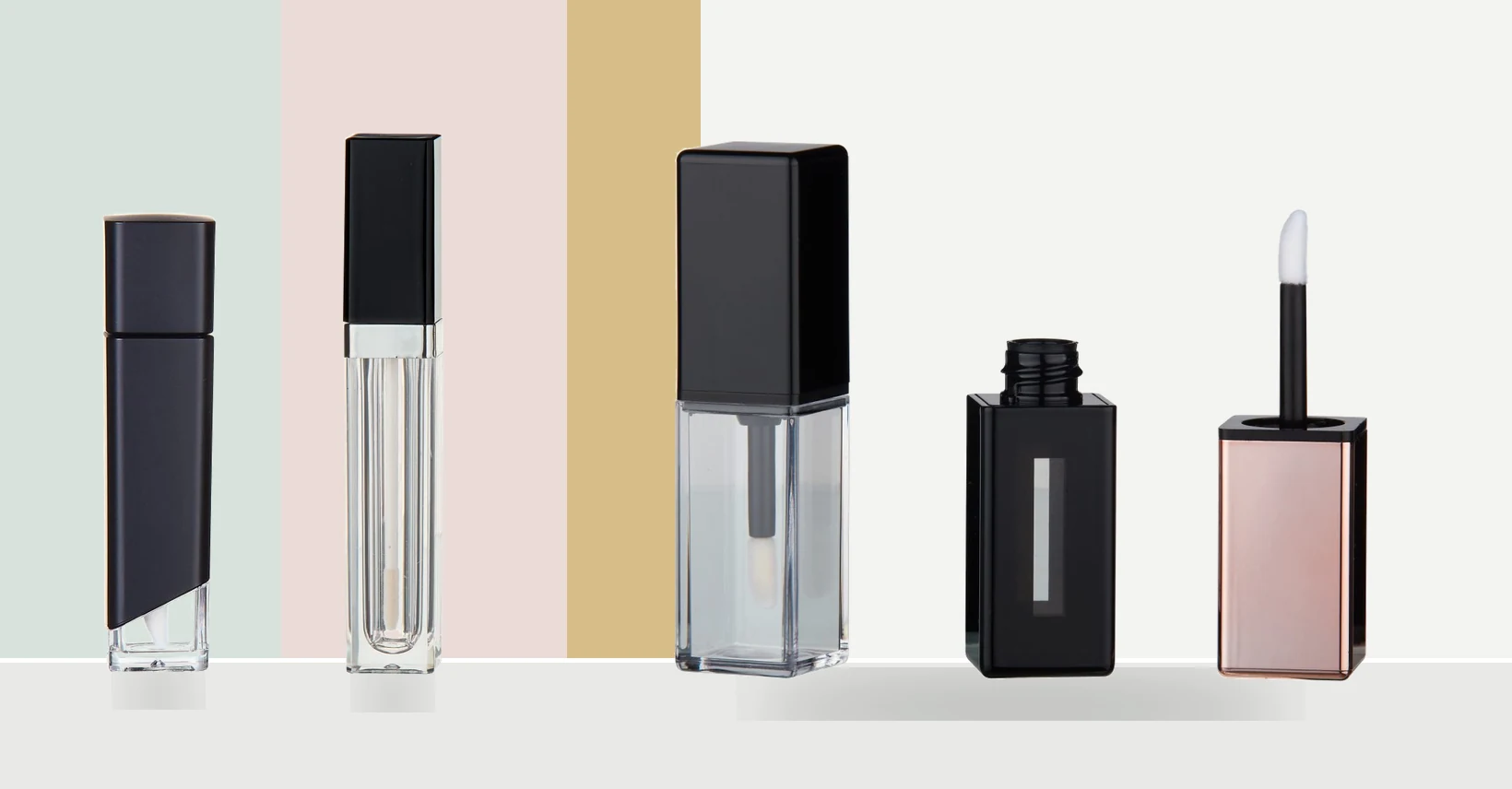
Choosing custom lip gloss tubes is not only a design decision. The package must work with the formula, control the amount of product on the applicator, stay sealed during transport, and look consistent from the first sample to the final production run.
Packaging problems often appear late in a beauty launch. A tube may look excellent in a rendering but leak during air freight. A wiper may remove too much product from the wand. A coating may scratch during filling or assembly. Fixing these issues after production is far more expensive than testing the package correctly at the development stage.
This guide explains how cosmetic brands can evaluate lip gloss packaging before placing an order. It covers materials, capacity, applicators, wipers, decoration, testing, MOQ, cost factors, and the information a supplier needs to recommend a practical solution.
1. Start With the Lip Gloss Formula
The formula should be considered before the packaging design is finalized. Lip gloss, lip oil, liquid lipstick, and lip treatment products can have very different viscosities and chemical compositions. These differences affect the bottle, wiper, applicator, stem, and sealing system.
Before requesting a quotation for custom lip gloss packaging, prepare the following information:
- Product type, such as lip gloss, lip oil, or liquid lipstick
- Formula viscosity and oil content
- Fill weight or fill volume
- Preferred applicator style
- Target market and shipping route
- Estimated order quantity
- Required launch date
A lightweight lip oil may require a different wiper from a thick, high-pigment gloss. Using the same tube for both formulas without testing can lead to excessive product pickup, applicator dripping, or leakage around the neck.
If the final formula is not ready, tell the packaging supplier what type of product is being developed. This can help narrow the options, but compatibility testing should still be completed with the actual formula before mass production.
2. Compare Common Lip Gloss Tube Materials
Custom lip gloss tubes often contain several components made from different materials. The bottle, cap, wiper, stem, and applicator do not always use the same plastic.
| Material | Common Use | Main Advantages | Points to Check |
|---|---|---|---|
| PETG | Transparent bottle body | Good clarity, visual depth, and useful impact resistance | Formula compatibility and decoration adhesion |
| AS | Clear, rigid bottle body | High transparency and a glass-like appearance | Brittleness and compatibility with some formulas |
| ABS | Caps and decorative outer parts | Good rigidity and suitable for coating or metallization | Usually opaque and may require an added finish |
| PP | Wipers, inner parts, and some simplified designs | Lightweight and generally resistant to many cosmetic formulas | Lower natural transparency than PETG or AS |
Do not choose a material based on appearance alone. A clear bottle may display the formula beautifully, but its performance also depends on wall thickness, neck design, component tolerances, and compatibility with the contents.
Brands looking for more sustainable options can ask about PCR materials, refillable structures, or simplified material combinations. Any environmental claim should match the construction of the complete package and the recycling conditions in the target market.
3. Confirm Capacity and Fill Weight
Packaging capacity and formula fill weight are related, but they are not interchangeable. Two formulas with the same weight can occupy different volumes. Air space, applicator displacement, and bottle shape also affect the practical filling level.
When evaluating empty lip gloss tubes, ask for:
- Nominal capacity
- Recommended fill volume
- Overflow capacity
- Bottle and neck dimensions
- Applicator displacement
- Finished packaging weight
A physical filling trial is more reliable than selecting a tube from catalog capacity alone. It shows whether the finished product looks properly filled without creating unnecessary pressure inside the container.
4. Match the Applicator to the Formula
The applicator controls how the consumer experiences the product. Its shape, material, and flocking determine how much formula it collects and how accurately it applies.
Standard Doe-Foot Applicator
The doe-foot is widely used because it works with many gloss and liquid lip formulas. It offers familiar handling and can provide controlled application when paired with the correct wiper.
Paddle Applicator
A wider paddle can collect more product and cover a larger area of the lips. It may suit thicker glosses, but the pickup level should be tested carefully.
Curved Applicator
A curved tip follows the shape of the lips and can create a more ergonomic application experience. Its orientation should remain consistent after assembly.
Brush and Silicone Applicators
A brush can work well for certain lip oils and treatment formulas, while silicone absorbs less product and is easy to wipe clean. For brushes, fiber quality, shedding resistance, and formula absorption should be evaluated.
The applicator cannot be chosen separately from the wiper. A large applicator passing through a tight wiper may collect too little formula or damage the flocking. A small applicator with a loose wiper may carry too much product and create drips around the bottle neck.
5. Pay Close Attention to the Wiper
The wiper is a small component with a major effect on performance. It removes excess formula from the stem and applicator as the wand leaves the bottle. The opening diameter, material flexibility, and position inside the neck all influence product pickup.
An unsuitable wiper can cause:
- Too much or too little formula on the applicator
- Product buildup around the bottle opening
- A messy stem after repeated use
- Excessive resistance when opening the tube
- Wiper movement or detachment
- Leakage during storage or transport
The best approach is to test several wiper options with the actual formula. During testing, open and close the tube repeatedly and observe the stem, neck, and applicator after multiple cycles, not only after the first use.
6. Test the Complete Sealing System
Leak-resistant performance depends on the complete packaging system. The bottle neck, wiper, cap, stem, thread, formula, and filling process must work together. A tight cap alone does not guarantee that a tube will stay sealed.
Useful packaging tests may include:
- Upright, inverted, and horizontal storage
- Repeated opening and closing
- High- and low-temperature exposure
- Temperature cycling
- Vacuum or pressure testing
- Drop testing
- Vibration and transport simulation
- Formula compatibility testing
The appropriate test method and duration depend on the formula, packaging structure, shipping route, and destination market. The formula laboratory, filler, brand, and packaging supplier should agree on a test protocol before the production order is approved.
Samples used for testing should represent the intended production structure. A visual prototype made from a different material can help with design approval, but it cannot confirm final compatibility.
7. Stock Tube or Custom Mold?
Brands usually have two development routes: customize an existing design or create an exclusive mold.
Customizing a Stock Tube
A stock tube can often be customized with color, logo, printing, and surface finish. This route is practical for new brands, limited collections, and projects with shorter development schedules.
- Lower development cost than a new mold
- Faster sampling
- A component structure that has already been produced
- Easier replacement or repeat ordering
The main limitation is that other brands may use the same basic shape.
Developing a Custom Mold
A custom mold gives a brand more control over shape, proportions, and component details. It can support stronger differentiation, but it requires additional engineering, tooling, sampling, and testing.
Before investing in new tooling, confirm expected annual volume, launch schedule, mold ownership, maintenance responsibility, and whether the design can be manufactured consistently. For many brands, a sensible first step is to launch with customized stock packaging and develop an exclusive structure after demand has been validated.
8. Choose Decoration That Fits the Brand
Custom lip gloss tubes can be decorated in several ways. Each method has different visual effects, cost factors, and production requirements.
- Color injection: Color is added during molding and remains visible even if the surface is lightly scratched.
- Spray coating: Can create solid, gradient, translucent, matte, glossy, or soft-touch finishes.
- Silk-screen printing: Commonly used for logos and text on flat or curved components.
- Hot stamping: Applies metallic or pigmented foil to selected areas such as logos and borders.
- Metallization: Creates a reflective metal-like finish, often on caps or decorative shells.
- Labels: Useful for complex artwork, variable information, or some shorter production runs.
Ask for decorated samples before approval. Digital renderings cannot show gloss level, metallic reflection, surface texture, print adhesion, or small color differences accurately.
9. Understand MOQ and Cost Factors
There is no universal MOQ for custom lip gloss tubes. The minimum quantity depends on the selected design and the amount of customization required.
Factors that can affect MOQ and cost include:
- Stock availability
- Custom injection color
- Number of decorated components
- Printing colors and artwork complexity
- Spray coating, hot stamping, or metallization
- Custom applicator or wiper
- Special assembly requirements
- Custom mold development
- Individual packaging or secondary boxes
The lowest unit price is not always the lowest project cost. A cheaper tube that requires rework, replacement, or extra filling adjustments can delay the launch and increase losses.
When comparing quotations from a lip gloss tube manufacturer, check what is included. Tooling, decoration setup, samples, packaging, freight, and duties may be quoted separately. Give each supplier the same project brief so the offers can be compared fairly.
10. Prepare a Complete RFQ
A clear request for quotation helps a supplier respond faster and recommend a more suitable package. Include:
- Product type and formula description
- Required capacity or fill weight
- Preferred bottle shape and material
- Applicator preference
- Estimated order quantity
- Custom color or Pantone reference
- Logo artwork and decoration requirements
- Target price range, if available
- Destination country
- Required launch date
- Sample and testing requirements
Reference images are useful, but explain which features matter. A supplier needs to know whether you like the shape, applicator, color, finish, or overall positioning.
11. Questions to Ask a Packaging Supplier
- Which materials are used for each component?
- Is the design based on an existing mold?
- What decoration methods are available?
- Can different applicators and wipers be tested?
- How should formula compatibility be evaluated?
- What factors determine the MOQ?
- Are decorated samples available?
- How are color and print position controlled?
- Which inspections are performed during production?
- How are defective components handled?
- How are components packed to prevent transport damage?
- Which technical documents can be provided?
The supplier should be willing to discuss both appearance and function. A quotation without material, component, and decoration details leaves too much room for misunderstanding.
A Practical Development Process
- Share the formula, capacity, quantity, and design requirements.
- Review available tube structures, applicators, and wipers.
- Select a stock design or begin custom mold development.
- Confirm materials, colors, and decoration methods.
- Produce samples for visual and functional evaluation.
- Conduct filling, compatibility, and leakage tests.
- Approve the final sample and production specification.
- Begin mass production, decoration, and assembly.
- Inspect the finished packaging.
- Arrange shipment to the filler or brand warehouse.
Do not approve production based only on an attractive sample. Keep a documented approval standard covering color, artwork position, surface finish, dimensions, and functional performance.
Frequently Asked Questions
Can a new beauty brand order custom lip gloss tubes?
Yes. New brands often begin with an existing tube design and customize the color, logo, and surface finish. This can reduce development cost compared with creating a new mold. Available options and minimum quantities depend on the selected package.
How do I choose between PETG and AS?
Both can provide good transparency. The decision should consider formula compatibility, impact resistance, decoration, cost, and the required appearance. Test the final formula in production-representative samples before confirming the material.
What causes a lip gloss tube to leak?
Possible causes include an unsuitable wiper, dimensional variation, filling contamination, formula migration, incorrect assembly, temperature changes, and pressure during transport. Leakage should be investigated as a complete packaging-system issue.
Can one tube be used for both lip gloss and lip oil?
Sometimes, but the same wiper and applicator may not perform equally well with formulas of different viscosities. Each formula should go through filling, pickup, and leakage testing.
Are samples necessary before a wholesale order?
Yes. Samples allow the brand and filler to evaluate appearance, assembly, applicator pickup, and formula compatibility. Decorated samples are also important for confirming color, printing, and finish.
What is the MOQ for wholesale lip gloss tubes?
MOQ varies by design, material, decoration, and whether a stock or custom mold is used. Share your expected quantity and customization requirements to receive an accurate recommendation.
Can lip gloss packaging be made more sustainable?
Possible approaches include reducing unnecessary components, choosing compatible materials, using PCR where suitable, improving refillability, and avoiding finishes that interfere with recycling. Sustainability claims should be based on the complete packaging structure.
Choose Packaging That Works Beyond the Sample
The best custom lip gloss tubes balance appearance, formula compatibility, application performance, and manufacturing consistency. Begin with the formula and applicator rather than shape alone. Test the wiper and sealing system, approve decoration on physical samples, and document the final specifications before production.
Start Your Lip Gloss Packaging Project With Belzeypack
Planning a lip gloss, lip oil, or liquid lipstick launch? Send Belzeypack your preferred tube style, formula type, capacity, order quantity, decoration requirements, and target launch date. Our team will review suitable packaging options and prepare a sampling and quotation plan for your project.